The Mouselas River is located in northern Crete, on the boundary between the regional units of Chania and Rethymno, and is one of the most important rivers in the western part of the island.
It originates from the slopes of the White Mountains (Lefka Ori) and flows through a fertile landscape before reaching the Cretan Sea near Georgioupoli.
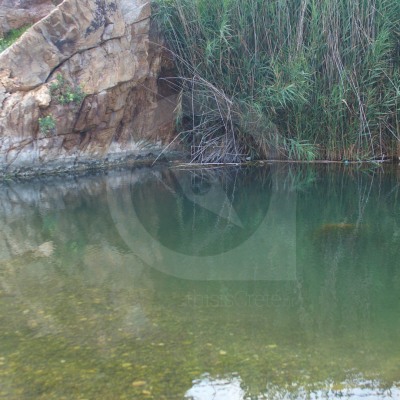
Unlike many rivers in Crete, the Mouselas maintains a flow for much of the year, as it is fed by mountain springs and underground water sources. During the winter months, its water volume increases significantly, while in summer the flow is reduced but does not usually disappear completely.
Along its course, the river passes through areas of rich vegetation, agricultural land, and small settlements. Its presence plays a key role in supporting local farming activities and sustaining the natural environment of the region.
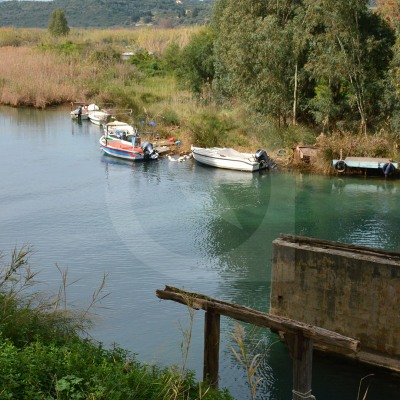
At its mouth, the river forms a small wetland with reeds and riparian vegetation, creating an important habitat for birds and other wildlife. This area adds ecological value to the coastline and enhances the natural diversity of the surrounding landscape.
The Mouselas River is a characteristic example of a river in western Crete, where water availability is generally higher compared to the eastern part of the island, contributing significantly to the formation of the local landscape and ecosystem.
.jpg)