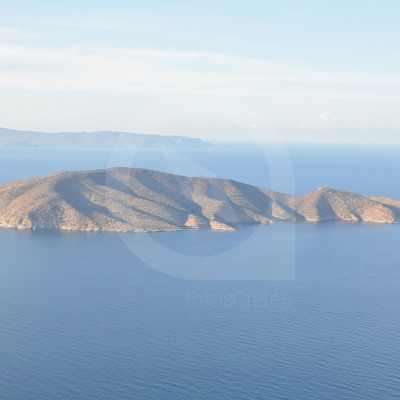
At the southernmost edge of Greece and of Europe as a whole Gavdos unfolds in the Libyan Sea as a place that seems to follow its own rhythm, far removed from the pace of mainland life.
Lying just south of Crete, the island preserves a sense of authenticity and quiet isolation, where history, myth, and landscape blend into a singular experience.
According to ancient tradition, Gavdos is often identified with Ogygia, the mythical island where the nymph Calypso held Odysseus for years. This association lends the island a timeless, almost symbolic dimension. Beyond myth, however, Gavdos has a long human presence, with traces of habitation stretching from antiquity to the present always on a small scale.
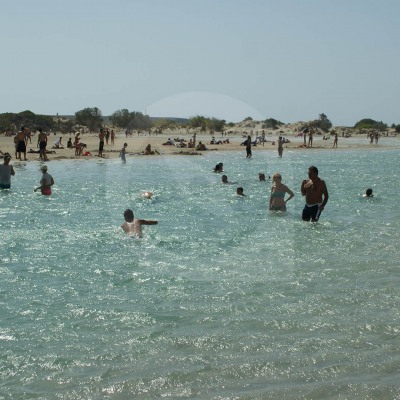
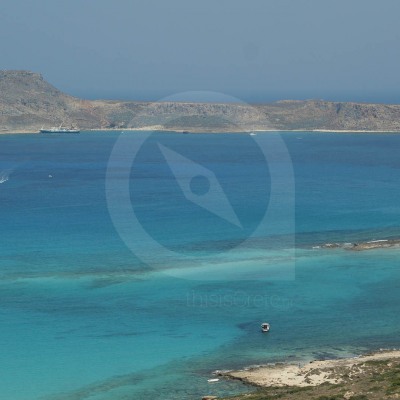
Its landscape is defined by striking contrasts. Cedar groves and sand dunes meet wide, open beaches, while elsewhere steep cliffs drop into the sea. At Trypiti, the southernmost point of Europe, the land gives way to an endless horizon, reinforcing the island’s sense of remoteness. The coastline shifts between expansive sandy shores and more rugged formations, creating a terrain unlike anywhere else in Greece.
Life on Gavdos moves slowly. Limited infrastructure and the absence of large-scale tourism preserve a feeling of simplicity and freedom, attracting travelers who seek stillness and a direct connection with nature. At the same time, its location makes it an important stopover for migratory birds and part of a wider, sensitive marine ecosystem.
Access is primarily by ferry from southern Crete, and staying on the island is less about structured activity and more about exploration. Gavdos is not for everyone; it asks for a certain openness and adaptability, but in return offers something rare the feeling of standing at the very edge of the known world.
Here, landscape, time, and silence come together in a way that is difficult to describe and even harder to forget.