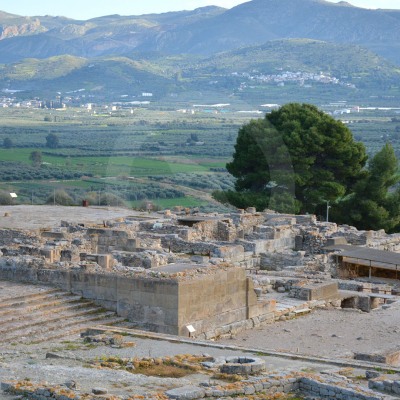
The Minoan Palace of Zakros, situated at the easternmost edge of Crete in the sheltered bay of Kato Zakros, is one of the most vital monuments of the Minoan civilization
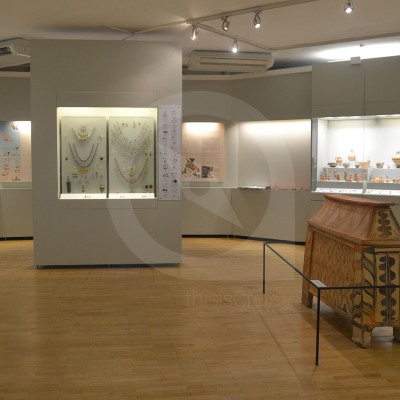
As the fourth largest palace on the island, its discovery in 1961 by Nikolaos Platon was a landmark event, as it remains the only Minoan palace found unlooted. This fortunate circumstance allowed archaeologists to unearth a wealth of treasures exactly where they had been left centuries ago, providing an undisturbed view of Minoan life, administration, and religious practice.
The palace's significance was primarily geostrategic, acting as the main gateway for trade between Crete, Egypt, and the Near East. As the most important eastern port of the era, Zakros served as a hub for the import and processing of luxury materials like ivory, gold, and semi-precious stones. The artifacts discovered within, most notably the exquisite rock crystal rhyton and ornate ceremonial vessels, demonstrate the presence of highly skilled artisan workshops and a flourishing economy built on international maritime connections.
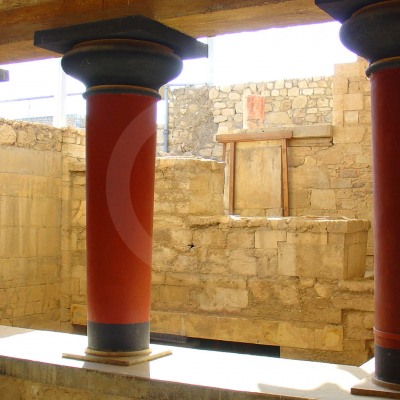
Architecturally, the palace follows the classic Minoan layout, centered around a grand courtyard surrounded by royal apartments, shrines, workshops, and storerooms. The site's evocative atmosphere is heightened by its surroundings, as the path to the palace leads through the majestic "Gorge of the Dead," named after the numerous Minoan burials found in the caves along its cliffs. The sudden destruction of the palace in 1450 BC, likely due to seismic activity or the aftermath of the Thera eruption, "frozen" Zakros in time, leaving behind a monument of unparalleled historical and cultural significance.