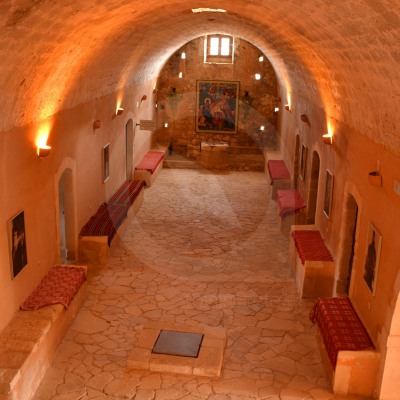
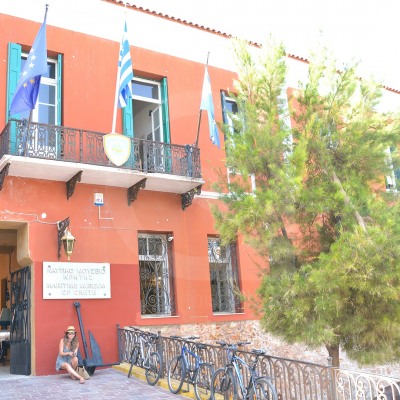
The Olive Tree Museum of Vouves is located in the village of Ano Vouves, in the municipality of Platanias, Chania, and constitutes one of the most iconic sites for highlighting Cretan rural heritage.
The museum is housed in a traditional building right next to the world-famous Monumental Olive Tree of Vouves, which is considered the oldest olive tree in the world. This tree, with an estimated age between 3,000 and 5,000 years, remains alive and fruitful, standing as a "living monument" of nature that connects the present with the era of the Minoan civilization.
Inside the museum, visitors have the opportunity to learn about the history of olive cultivation and the profound relationship between the Cretans and this sacred tree. The exhibition includes traditional farming tools, old olive oil production machinery, wooden ploughs, and various storage vessels used from antiquity until the beginning of the 20th century. Through the exhibits, the evolution of the production methods of "liquid gold" is highlighted, along with the multidimensional importance of the olive in the diet, religion, and daily life of the island's people.
A visit to the museum culminates in admiring the imposing trunk of the ancient olive tree, the circumference of which exceeds 12 meters. Its trunk, sculpted by time like a natural piece of art, evokes awe and respect. It is worth noting that a branch (kotinos) was cut from this tree to crown the winner of the Marathon during the Athens 2004 Olympic Games, symbolizing global peace and the eternal continuity of history. The Olive Tree Museum of Vouves is not merely an exhibition space, but a place of pilgrimage to the very roots of the Cretan land.