Gournia, situated on a low hill near the Isthmus of Ierapetra, is one of the most vital archaeological sites in Crete.
Often called the "Pompeii of Minoan Crete," it stands out because, unlike the grand palaces of Knossos or Phaistos, it preserves an entire, functioning town. Excavated in the early 20th century by Harriet Boyd Hawes, the site offers an unparalleled look into the daily lives, crafts, and social structure of ordinary Minoans during their peak (1550-1450 BC).
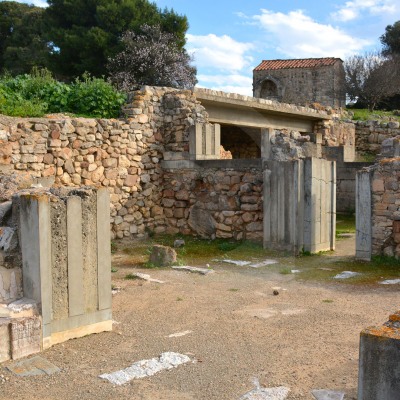
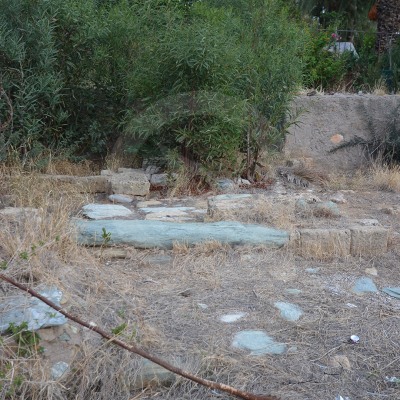
Walking through Gournia feels like stepping back in time as you traverse cobblestone streets and pass through residential blocks. The houses, built closely together, still feature walls preserved to a significant height, clearly showing living quarters, storage rooms, and workshops. The town’s sophisticated design included a drainage system and central paths leading to the "Palace"—the residence of the local governor and a small public courtyard that served as the community's religious and political heart.
What makes Gournia truly unique is the evidence of production and trade. Numerous tools saws, chisels, looms, and oil presses have been unearthed, proving that the town was a thriving industrial hub. The inhabitants were artisans, farmers, and sailors living in a highly organized society. The sudden destruction of the town by fire around 1450 BC "froze" their activities in time, leaving behind an archaeological treasure that remains the most authentic witness to urban Minoan life.