The Castle of Mylopotamos is one of the most significant Venetian fortification monuments on the northern coast of Rethymno, located in the seaside settlement of Panormos.
Its construction is attributed to the Genoese pirate Enrico Pescatore in the early 13th century, before it passed definitively into the hands of the Venetians, who used it as the seat of the local Castellany. Its position was of strategic importance, as it oversaw the small natural harbor and protected the region from continuous pirate and Ottoman raids.
Architecturally, the fortress was oval-shaped and equipped with seven towers, providing strong defense for the inhabitants and its garrison. Despite its significance, the castle suffered severe damage during the major attack by Hayreddin Barbarossa in 1538, while its final fall occurred in 1647 when the Ottomans captured the area during the Cretan War. The fortifications were largely destroyed, as the conquerors wanted to prevent their use by revolutionary forces.
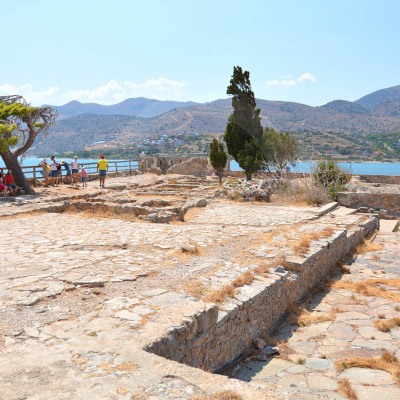
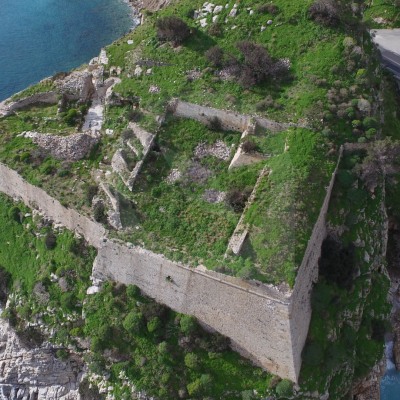
Today, only sections of the walls and foundations of the once-powerful fortress survive at the archaeological site of Panormos, standing as silent witnesses to the turbulent history of Mylopotamos. The location offers a unique sense of the past, combining historical memory with the beauty of the Cretan sea. The presence of the castle even gave the name "Castelli" to the settlement for many centuries, highlighting its decisive role in shaping the region's identity.