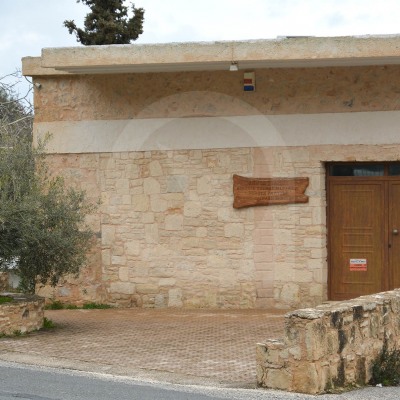
The Archaeological Museum of Ierapetra is a unique cultural space in southern Crete, housed in an iconic 19th-century building known as the "Commercial School" or old Ottoman School.
Its collection focuses on showcasing the history of ancient Hierapytna, which was the most powerful city in eastern Crete during Hellenistic and Roman times, serving as a key commercial port connecting the island with North Africa and the East.
The museum's most famous and impressive exhibit is the Sarcophagus of Episkopi, a clay larnax from the Late Minoan period found almost intact. The sarcophagus is decorated with exceptional scenes from daily life and nature, such as hunting scenes, chariots, and symbols of Minoan religion, making it one of the most significant examples of funerary art worldwide. The detail of the drawings provides researchers with valuable information about Minoan perceptions regarding death and the afterlife.
In addition to the sarcophagus, the museum's halls host a rich collection of Roman sculptures, highlighted by the statue of Persephone, which was found in the area and impresses with its plasticity and preservation. The tour is completed with exhibits from the Minoan and Geometric periods, inscriptions, coins, and jewelry that attest to the enduring prosperity of Ierapetra. The museum does not only showcase local history but acts as a link between the Minoan world and the cosmopolitan glamour of Roman Crete.