Ancient Polyrrenia, perched on a steep hill above the Bay of Kissamos, is considered the oldest Doric city in Crete and was once one of the island's most formidable military powers.
Its location is a true "eagle's nest," strategically chosen to command the passages of western Crete. Its name, meaning "many sheep," hints at the region's rich pastoral tradition, though the city is primarily remembered for its military prowess and the defiant spirit of its people.
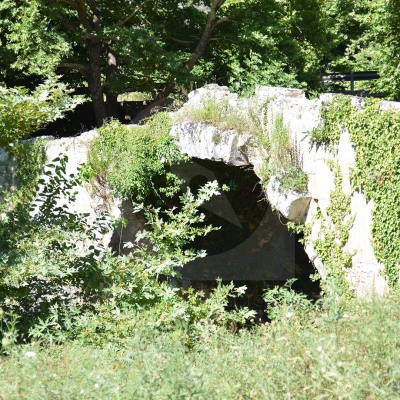
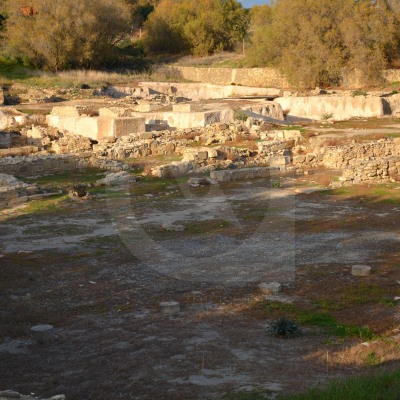
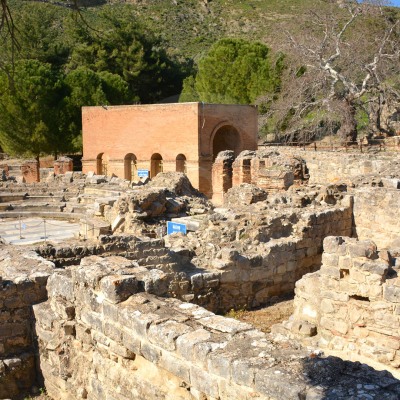
The most striking feature for modern visitors is how the city was carved directly into the landscape. Across the slopes, numerous rock-cut houses and ancient cisterns demonstrate how the inhabitants utilized the natural stone for their dwellings. The imposing fortifications, featuring Byzantine layers over ancient Hellenistic foundations, still stand as a reminder of the city's past as an impregnable fortress. At the summit, the remnants of the Temple of Artemis and ancient columns—later repurposed for the church of the 90 Holy Fathers—create a unique historical mosaic.
The visit culminates in a breathtaking panoramic view; from the highest point, one can gaze upon the Cretan Sea to the north and the rugged mountains leading toward the Libyan Sea to the south. The tranquility of the modern village, where ancient stones are often embedded in the walls of traditional houses, makes Polyrrenia a living archaeological treasure that preserves its Doric austerity and timeless charm.