The Archaeological Site of Itanos, also known as Erimoupolis, is located at the northeastern tip of Crete, just beyond the famous palm forest of Vai.
It was one of the most significant and powerful coastal city-states of eastern Crete, with a history spanning from prehistoric times to the first Byzantine period.
Due to its strategic location, Itanos served as a major commercial transit center between Crete, the East, and Egypt. The city prospered through the trade of Tyrian purple (porphyra), glass, and fishery products, and even minted its own currency. Its power was such that it was in constant conflict with neighboring cities, Praisos and Hierapytna (modern-day Ierapetra), over the control of the Sanctuary of Dictaean Zeus in Palaikastro.
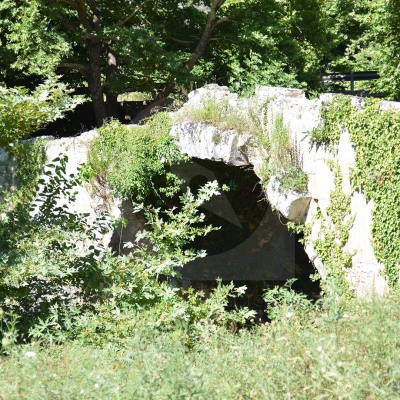
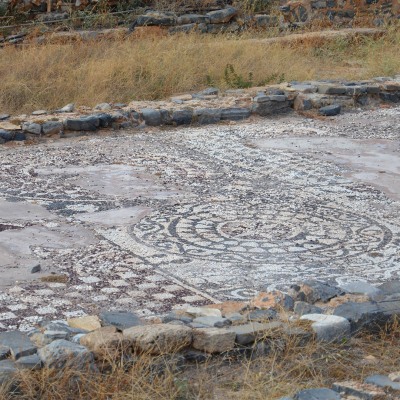
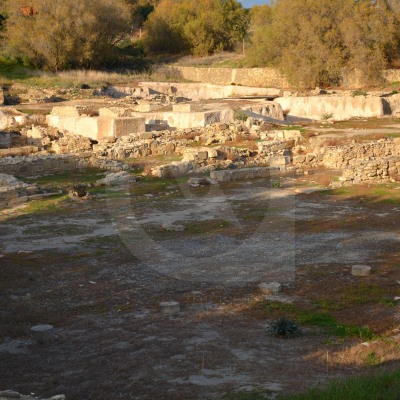
Today, the site offers a unique experience of wandering through ruins and nature. Visitors can see:
The Acropolises: The city was built on two hills (western and eastern acropolis), where sections of the walls and the foundations of public buildings are preserved.
The Early Christian Basilicas: Impressive ruins of large churches that testify to the city’s importance during the early Christian centuries.
The Cemetery: In the outskirts of the city, there are significant funerary monuments and gravestones.
Itanos was likely destroyed by a powerful earthquake in the 8th century AD and was later abandoned due to raids by Saracen pirates. The landscape is wild and serene, with ancient ruins reaching the water's edge. Parts of the city are now submerged due to coastal subsidence, offering a spectacular sight for snorkeling enthusiasts.